

Navigate Planning Applications with Clarity and Confidence
End-To-End Planning Services
-

Comprehensive Planning Consultancy
Our planning consultancy service provides clear, strategic advice to guide your project from initial concept through to decision. We assess site constraints, interpret local planning policy and shape proposals to give them the strongest chance of approval. With practical experience across North Wales, we manage the process professionally and proactively on your behalf.
-

Pre-Application Advice
Our Pre-Application Advice service provides essential insights before submitting your planning application. By evaluating your project against local planning policies and offering tailored advice, we help identify potential issues early, saving time
-

Pre-Application Consultation (PAC)
Our PAC service, tailored for large applications in Wales, addresses the need to engage with the community and stakeholders before submission. We manage the consultation process, ensuring your project is presented effectively and community feedback is incorporated.
-

Supporting Assessments
Our Assessments service, crucial for planning applications, includes Welsh Language, Heritage, Retail, and Economic assessments to ensure compliance with local standards. With a network of associates for Transport, Noise, and Visual assessments, we address every project's impact and community needs.
-

Planning Appeals
Our Planning Appeals service offers expert guidance and representation if your planning application is rejected. We assess the decision, craft a robust appeal strategy, and present your case to the planning inspectorate. With our experience, we aim to turn decisions in your favour.
-

Planning & Listed Building Consent
We manage the intricate process of obtaining planning permission and securing approvals for modifying historical buildings. Our comprehensive support, from concept to final determination, ensures projects align with local regulations, community standards, and historical property sensitivities.
-

Affordable Housing
Planning for affordable housing involves strategic development to address housing affordability challenges in North Wales Our approach increases the supply of cost-effective homes, ensuring diverse communities can access quality housing options that meet their financial capabilities.
Frequently Asked Questions About Planning Applications
-
You may need planning permission if you are building something new, significantly extending or altering a property, changing its use, or carrying out development in a sensitive area such as a conservation area or open countryside. Some smaller works fall under Permitted Development Rights, but these rules are detailed and can vary depending on your property and location. If you are unsure, it is always best to seek advice before starting work.
-
Planning application fees in Wales are set nationally. A typical householder application has a fixed council fee, but this is only part of the overall cost. You should also budget for professional drawings, supporting reports and consultant fees where required. The total cost depends on the scale and complexity of your project.
-
The first step is to clearly define what you want to achieve and understand the planning context of your site. This includes checking local planning policies, constraints such as conservation areas or flood zones, and whether permitted development rights apply. Preparing clear drawings and considering potential neighbour impact early on will strengthen your proposal. A planning consultant from Clwydian Planning can guide you through these initial steps, assess feasibility and help shape a proposal with the best chance of approval.
-
Most applications will require:
A location plan and site plan
Existing and proposed floor plans
Existing and proposed elevations
A design and access statement in certain cases
Supporting reports where necessary, such as ecology, flood risk or heritage statements
The exact requirements depend on the scale of development and the site’s location.
-
Not always. Some extensions fall within permitted development limits, meaning formal planning permission may not be required. However, there are strict size, height and design rules, and these rights can be restricted in certain areas. It is important to confirm your position before starting work to avoid enforcement issues later.
-
Yes. Residential applications often focus on design, neighbour impact and compliance with local housing policies. Commercial applications typically require additional consideration of highways, access, parking, noise, environmental impact and policy compliance relating to employment or retail use. Commercial schemes can also involve more detailed supporting information.
-
Clwydian Planning provides clear, practical advice at every stage of the planning process. From initial feasibility assessments and pre-application discussions through to preparing and submitting full planning applications, they manage communication with the local authority and ensure your proposal aligns with planning policy. Their local knowledge of North Wales planning authorities helps reduce uncertainty and improve the likelihood of a positive outcome.
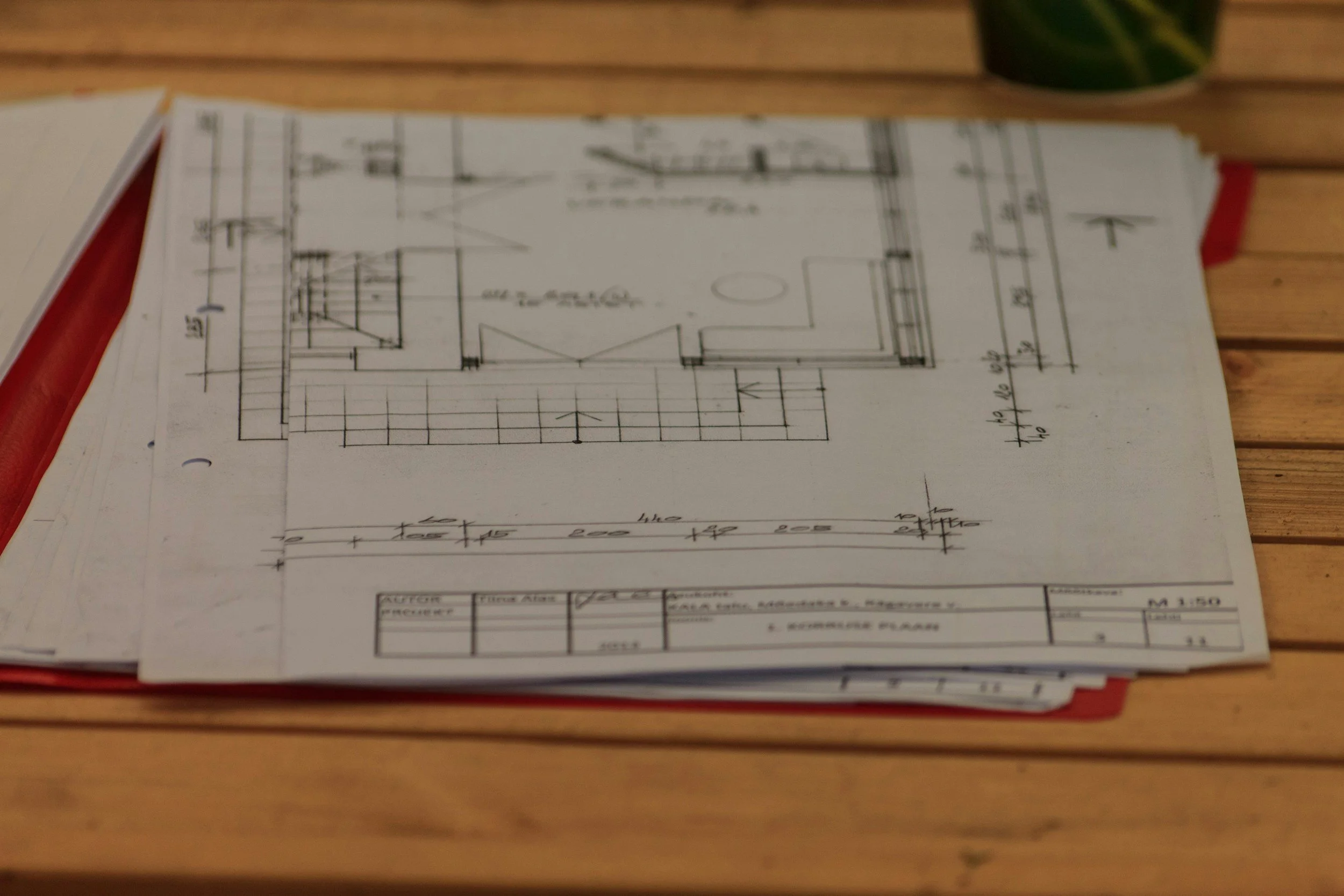
Want to know if your project will obtain planning?
Contact a planning consultant today.
We’ll review your project details and advise on feasibility, planning strategy, and next steps before you commit.