
Top 5 Things to Consider for a Planning Application in 2026
Planning applications in North Wales continue to become more detailed and policy-led. Whether you are extending a home in a town, developing land on the edge of a village, or proposing a project in a rural setting, local planning authorities expect well-considered and justified submissions.
In 2026, councils across North Wales are placing increasing emphasis on design quality, sustainability, and local impact. Understanding these priorities before submitting an application can significantly improve your chances of success.
Below are the top five things to consider when submitting a planning application in North Wales in 2026.
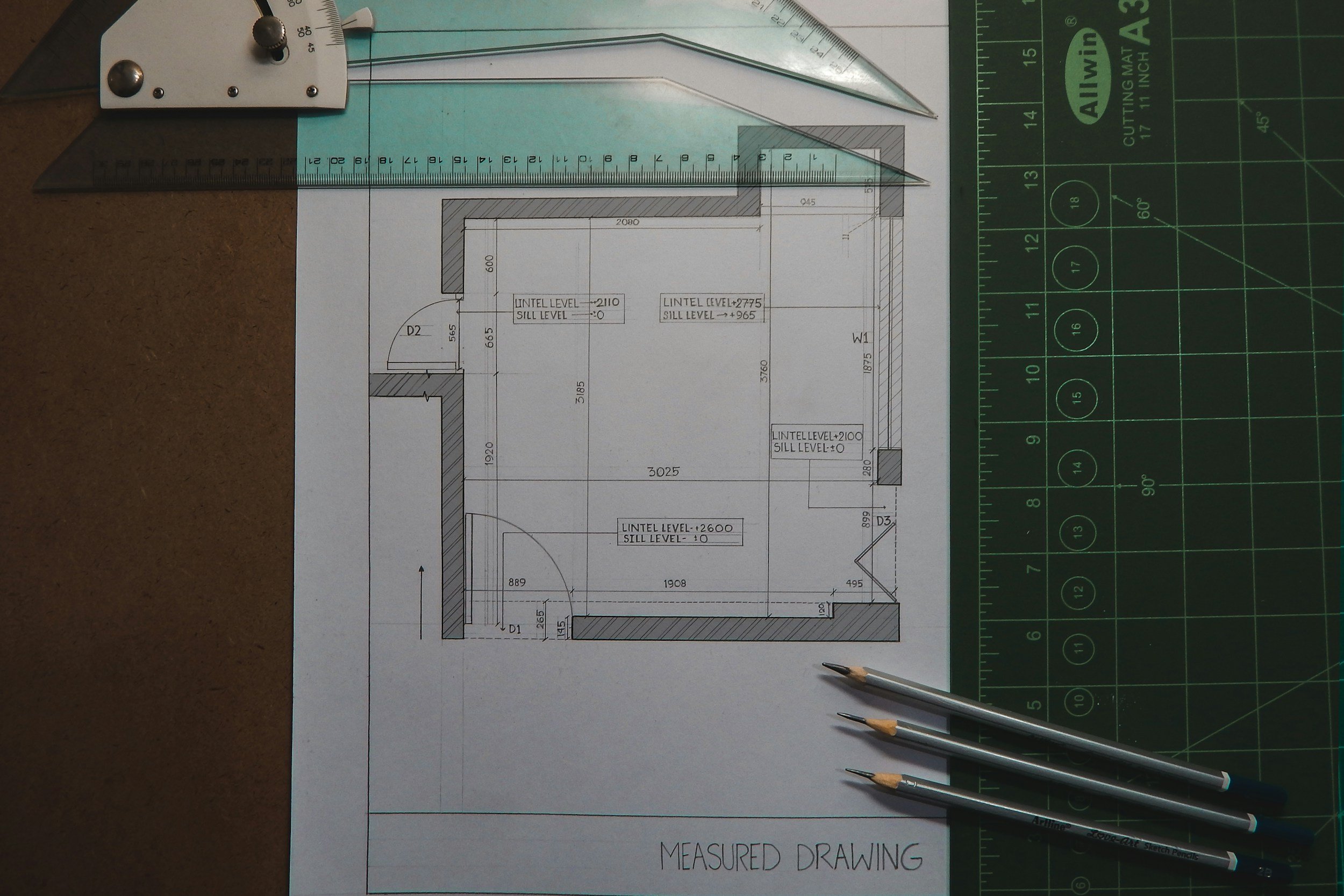
1. Local Planning Policy in North Wales Is Key
While national planning guidance provides a framework, Local Development Plans (LDPs) are the starting point for all planning decisions in North Wales.
Each council has its own policies covering:
Settlement boundaries and growth areas
Housing mix and scale of development
Design standards for extensions and new builds
Protection of countryside and landscape
A successful planning application should clearly demonstrate how the proposal complies with relevant local policies. Applications that reference North Wales planning policy directly are generally easier for planning officers to assess and progress.
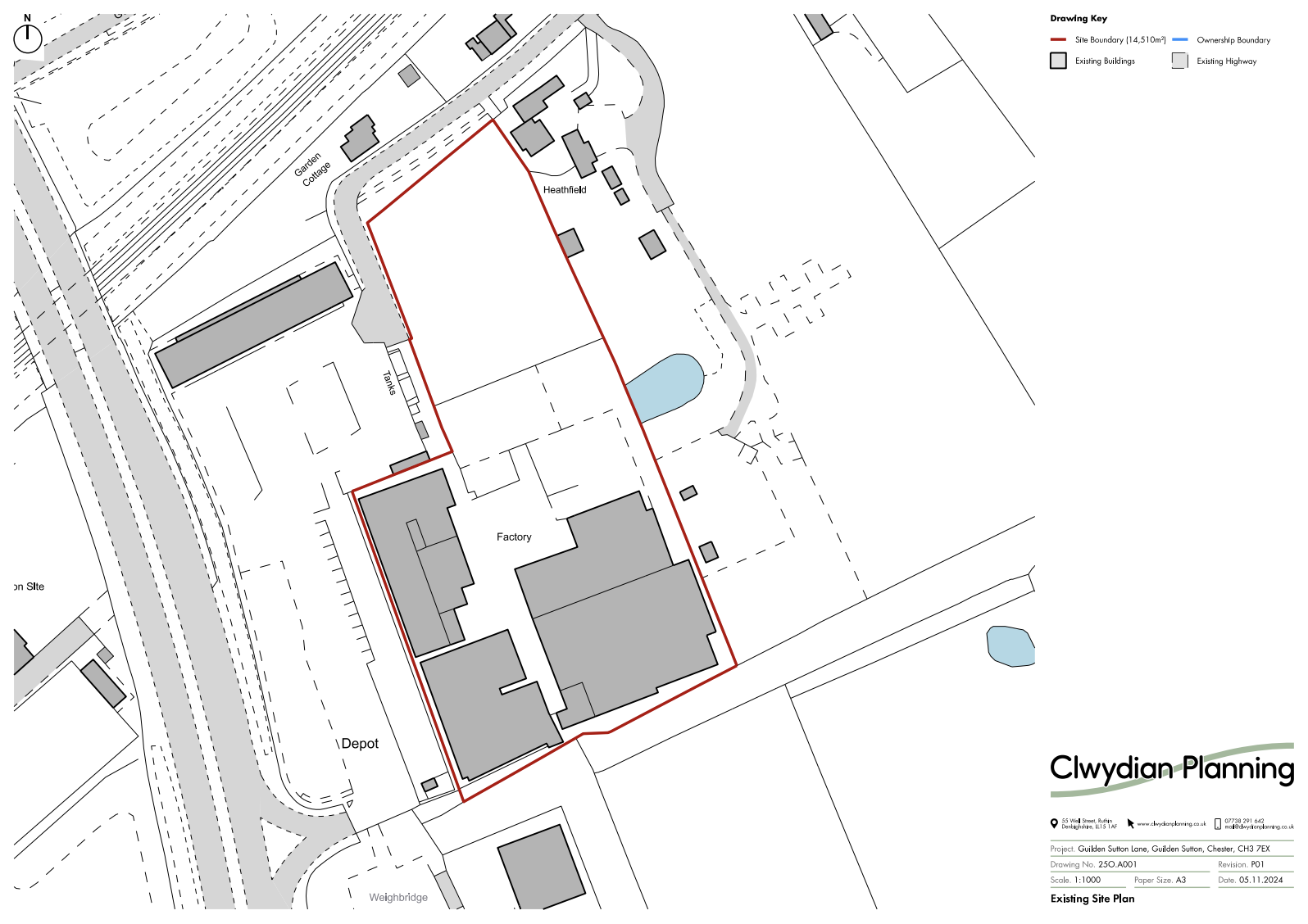
2. Design Quality and Context Matter More Than Ever
Design is no longer just about meeting minimum standards. In 2026, planning authorities across North Wales expect developments to respond positively to their surroundings.
Key considerations include:
Scale, height, and massing
Relationship with neighbouring properties
Materials that reflect local character
Impact on street scenes or open landscapes
Whether the proposal is in a town, village, or rural area, good design helps reduce objections and supports a positive planning outcome.
3. Sustainability and Energy Efficiency Are Increasingly Important
Sustainability remains a growing consideration in planning decisions across North Wales.
Planning officers will often expect:
Improved insulation and energy efficiency
Consideration of renewable technologies
Sustainable drainage solutions
Reduced environmental impact where possible
Even for smaller developments, showing that sustainability has been considered can strengthen an application and demonstrate compliance with modern planning expectations.
4. Impact on Neighbours and the Local Area
Neighbour impact is one of the most common reasons for planning objections in North Wales.
Key issues include:
Loss of privacy or overlooking
Overshadowing and loss of light
Parking and highway safety
Noise or disturbance
Addressing these matters clearly through design and supporting information can reduce objections and help planning officers reach a favourable decision.
5. Pre-Application Advice Can Prevent Delays and Refusals
Planning applications that are prepared without professional input often face avoidable delays or refusals.
Pre-application advice can help:
Identify policy constraints early
Highlight potential objections
Refine designs before submission
Reduce the risk of resubmission
In 2026, with planning departments across North Wales under increasing pressure, a clear and well-justified application is more important than ever.
Final Thoughts
A successful planning application in North Wales requires more than drawings and forms. It requires an understanding of local policy, thoughtful design, and consideration of the surrounding area.
Whether you are a homeowner, developer, or landowner, professional planning advice can help navigate the process with confidence.
If you are considering a planning application in North Wales, Clwydian Planning can provide clear, practical guidance from initial advice through to submission and decision.
